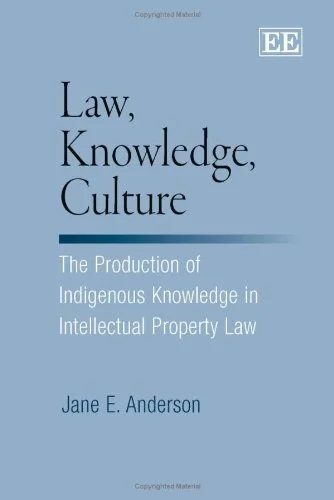
LAW, KNOWLEDGE, CULTURE
The Production of Indigenous Knowledge in Intellectual Property Law
By Jane E. Anderson
Published by Edward Elgar Publishing, Inc. 2009
This informative book investigates how indigenous and traditional knowledge has been produced and positioned within intellectual property law and the effects of this position in both national and international jurisdictions. Drawing upon critical cultural and legal theory, Jane Anderson illustrates how the problems facing the inclusion of indigenous knowledge resonate with tensions that characterise intellectual property as a whole. She explores the extent that the emergence of indigenous interests in intellectual property law is a product of shifting politics within law, changing political environments, governmental intervention through strategic reports and innovative instances of individual agency. The author draws on long-term practical experience of working with indigenous people and communities whilst engaging with ongoing debates in the realm of legal theory.
Detailing a comprehensive view on how indigenous knowledge has emerged as a discrete category within intellectual property law, this book will benefit researchers, academics and students dealing with law in the fields of IP, human rights, property and environmental law. It will also appeal to anthropologists, sociologists, philosophers and cultural theorists.
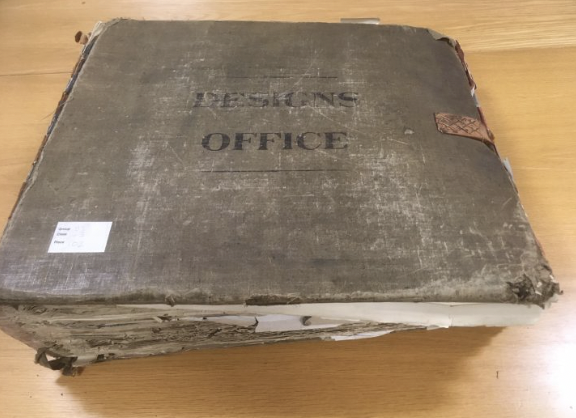
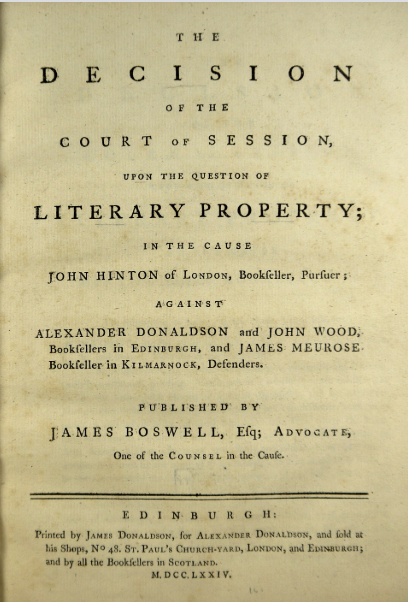
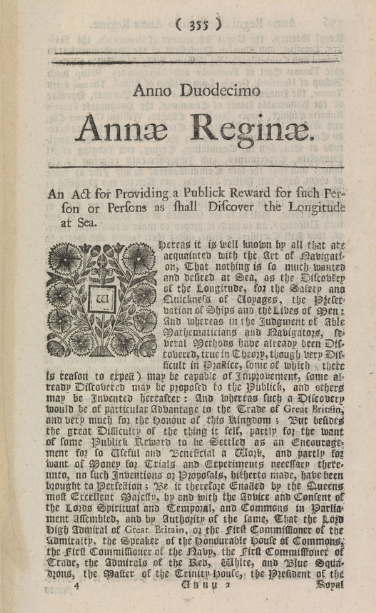
The first section of the book details the making of intellectual property law - specifically copyright through the 1710 Act of Anne and the subsequent literary property debates. It argues that one of the ways that early copyright stabilizes itself is through developments in design law - moving the law to identify property more abstractly through registration.
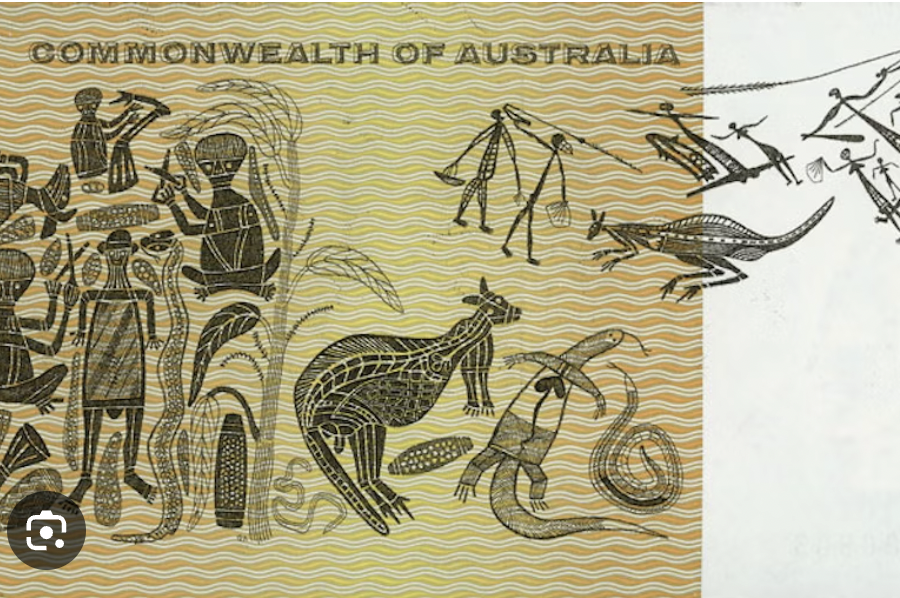
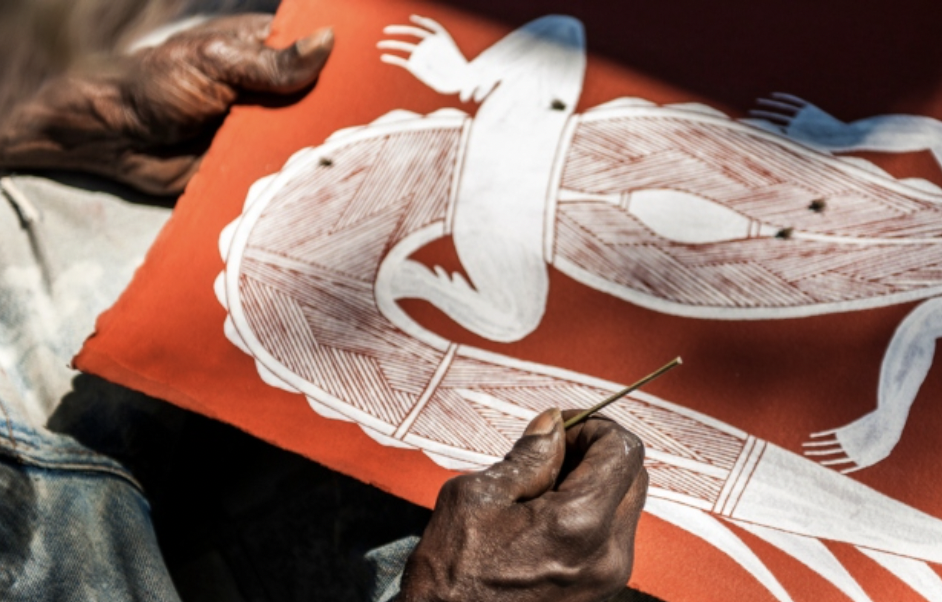
Part Two investigates the case study of Australia, which has some of the only case law around Aboriginal art and copyright. These cases demonstrated conclusively that Aboriginal art is 'original' and has 'authors'. But how does this change happen? Especially when Aboriginal art was copied and circulated extensively as authorless and 'traditional' on tablecloths, tea towels and money? How does the law make space for an artform it previously couldn't consider - and how does it work to limit the cultural complexity that the Aboriginal communities are actually bringing to the law to be reconciled - for instance that rights to paint cultural narratives derive from family and clan rights to the land itself.
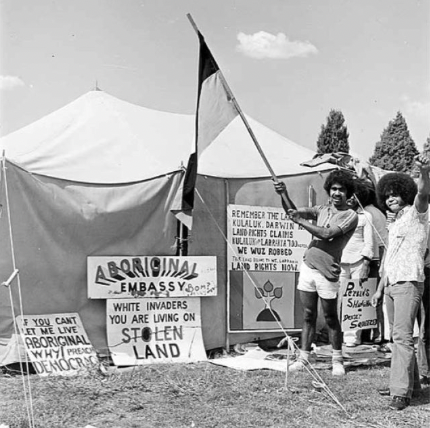
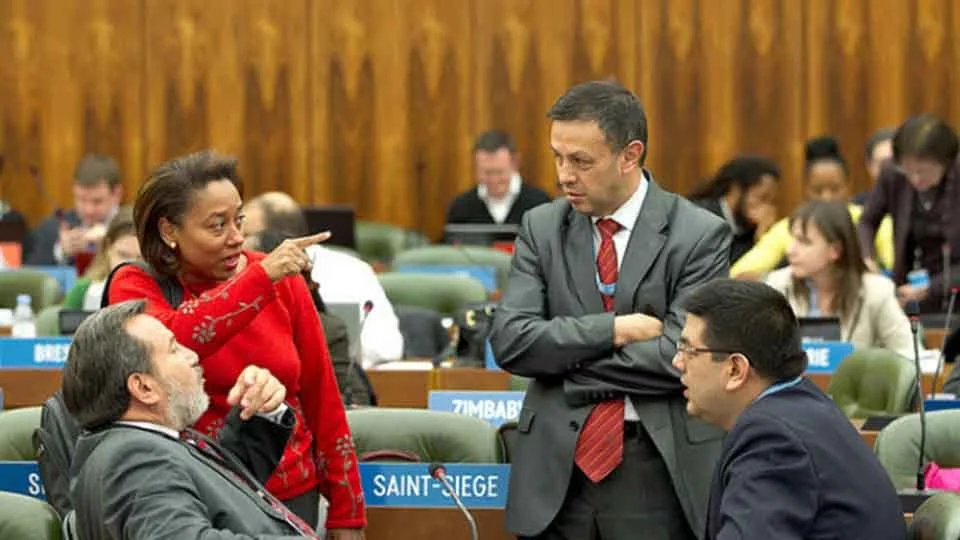
The final section looks at the global momentum to address Indigenous intellectual property issues. From the World Intellectual Property Organization to the Declaration on the Rights of Indigenous Peoples. It asks the question - Can laws that have been used to dispossess Indigenous peoples be rehabilitated?